January 9, 2026
Heating and cooling systems play a crucial role in maintaining year-round comfort, energy efficiency, and indoor air quality for homes and businesses alike. As technology advances, modern HVAC solutions offer improved performance, lower utility costs, and greater reliability compared to older systems. From routine maintenance to full system upgrades, understanding how these systems operate helps property owners make informed decisions that enhance comfort and protect long-term value. Whether addressing seasonal temperature changes or optimizing everyday performance, today’s heating and cooling innovations provide dependable climate control tailored to a wide range of needs.
Understanding Home Allergens
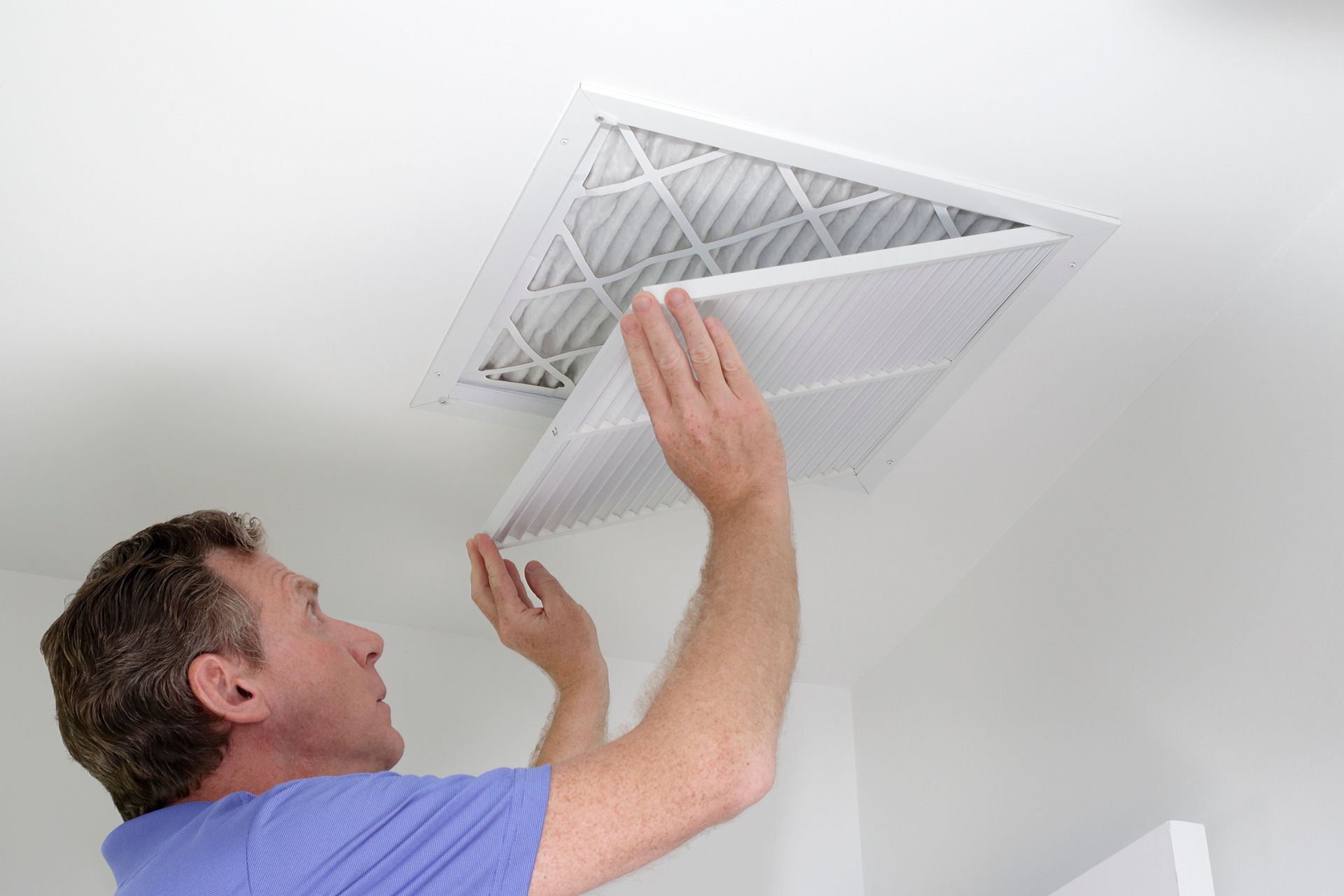
Indoor allergens such as dust mites, pet dander, mold spores, and cockroach droppings pose significant risks to respiratory health. These particles often go unnoticed but accumulate in fabrics, bedding, carpets, and upholstery. Allergic reactions may include sneezing, coughing, itchy eyes, and aggravated asthma symptoms. While regular cleaning helps, professional air quality services provide deeper strategies that address allergen sources more effectively. According to This Old House, it is recommended to replace air filters every 30 to 90 days to maintain cleaner indoor air. By understanding personal sensitivities and identifying potential allergen hotspots, homeowners can take proactive steps toward healthier living environments.
Sources and Causes of Indoor Allergens
Allergens originate from multiple household sources, each influencing indoor air quality in different ways. Dust mites thrive in warm, humid environments, while mold spores develop in damp spaces such as bathrooms, basements, and kitchens. Open windows can introduce pollen and outdoor pollutants, increasing allergen levels indoors. Household habits also play a role; inadequate ventilation, poor cleaning routines, and infrequent maintenance can worsen allergen buildup. Pets contribute additional concerns, as dander and outdoor contaminants easily become airborne. Professional air quality services help identify lifestyle factors and environmental contributors that elevate allergen levels, allowing for more personalized and effective reduction strategies.
Health Impacts of Allergen Exposure
The effects of allergens range from mild discomfort to long-term respiratory complications. Short-term exposure may trigger congestion, watery eyes, coughing, and interrupted sleep. Long-term exposure can aggravate chronic respiratory conditions, particularly in vulnerable populations such as seniors, children, and individuals with asthma. Symptoms often vary based on genetics and environmental influences, making it vital to address allergens consistently. Using HEPA filtration, proper cleaning, and targeted treatments recommended through air quality services can significantly reduce symptoms and improve overall quality of life. Reduced allergen exposure also lowers the risk of developing additional respiratory conditions and contributes to a healthier home environment.
Beyond physical symptoms, prolonged allergen exposure can also impact daily productivity and emotional well-being. Poor indoor air quality has been linked to increased fatigue, reduced concentration, and heightened stress, especially for individuals who experience persistent allergic reactions. Families may find themselves missing work, school, or important activities due to recurring symptoms. By implementing comprehensive allergen control strategies—ranging from improved filtration to professional remediation—homeowners can create a more stable indoor environment that supports both physical health and overall lifestyle comfort.
How Allergen Levels Change with the Seasons
Indoor allergen levels fluctuate throughout the year due to shifts in weather, humidity, and outdoor conditions. Spring and summer typically bring an influx of pollen, which enters homes through doors, windows, and clothing. In fall and winter, heated indoor environments create ideal conditions for dust mites to thrive. Seasonal humidity changes also affect mold growth, especially during rainy or humid periods. Preparing for these fluctuations ensures better year-round air quality. Many air quality services offer seasonal maintenance recommendations, such as filter replacements and humidity control solutions, helping homeowners stay ahead of predictable allergen surges and maintain healthier indoor environments during all seasons.
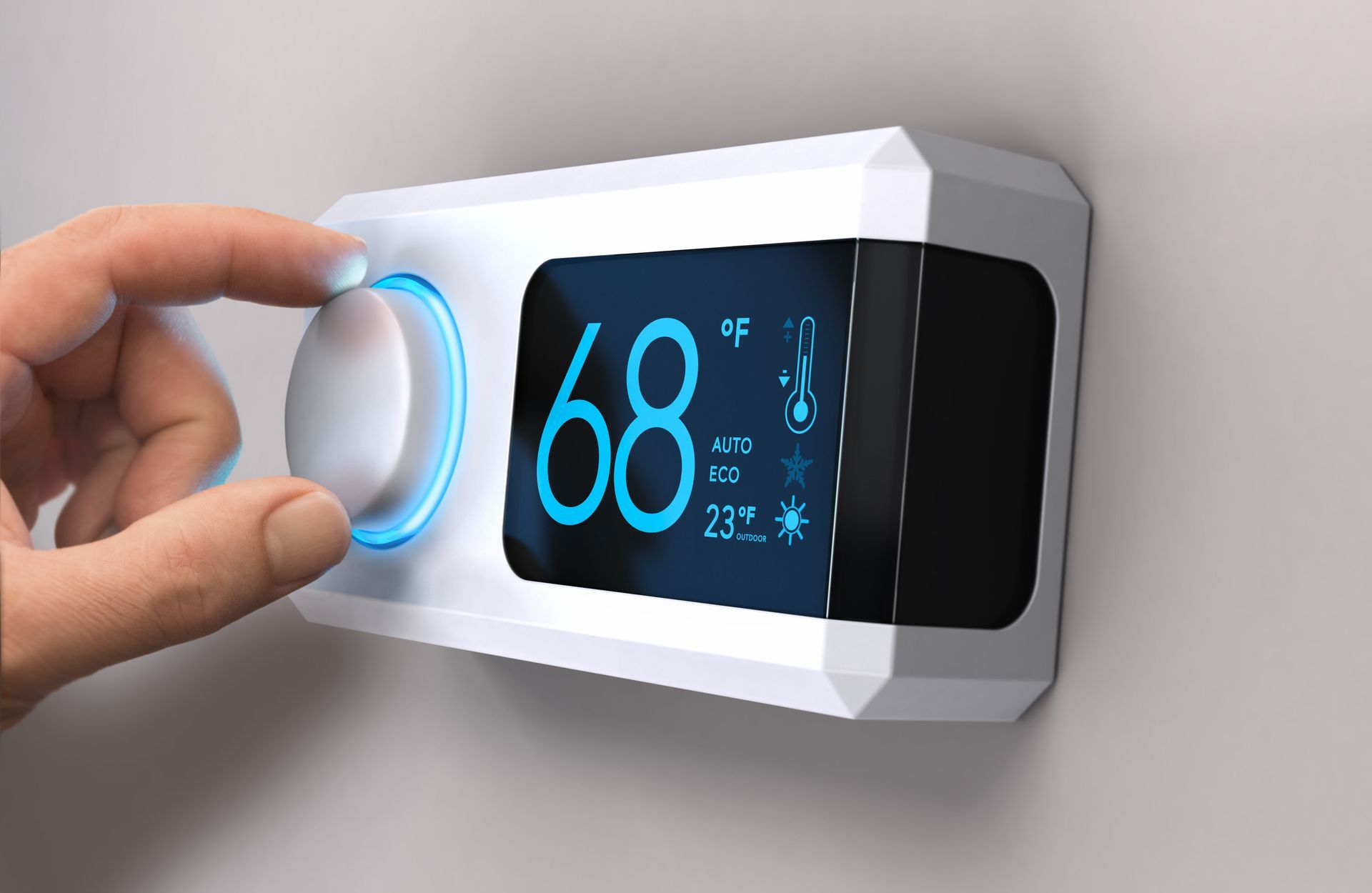
Along with routine seasonal maintenance, proactive monitoring can help homeowners respond quickly to rising allergen levels. Smart air quality sensors track real-time changes in particulate matter, humidity, and airborne contaminants, providing alerts when conditions become favorable for allergen growth. This data allows homeowners to adjust ventilation, filtration, or humidity controls before issues worsen. When combined with professional guidance, these tools create a more responsive approach to managing seasonal air quality challenges. Over time, this level of oversight supports a consistently healthier indoor environment, regardless of the weather or time of year.
The Role of Ventilation in Allergen Control
Proper ventilation plays a crucial role in removing pollutants and preventing the buildup of indoor allergens. When designed effectively, ventilation systems allow stale indoor air to escape and fresh air to replace it. However, without proper filtration, outdoor allergens such as pollen may enter the home. Modern, energy-efficient homes often trap air indoors, increasing allergen concentrations if ventilation is inadequate. Cleaning ducts, maintaining HVAC systems, and replacing filters frequently are essential steps for improving indoor air flow. Professional air quality services often include inspection and maintenance of these systems, ensuring airborne particles are effectively managed and ventilation contributes positively to air quality rather than exacerbating allergen issues.
Advanced ventilation strategies, such as balanced systems with heat or energy recovery ventilators, offer homeowners even greater control over indoor air quality. These systems exchange indoor and outdoor air while preserving energy, helping to maintain comfortable temperatures without sacrificing fresh airflow. When paired with high-quality filters, they significantly reduce the amount of pollen, dust, and other airborne irritants entering the home. Smart controls can further optimize performance by monitoring humidity, air flow, and particulate levels in real time. By integrating these modern ventilation solutions, homeowners can achieve a healthier, more consistent indoor environment that supports long-term allergen reduction.
Professional Assessment and Allergen Source Identification
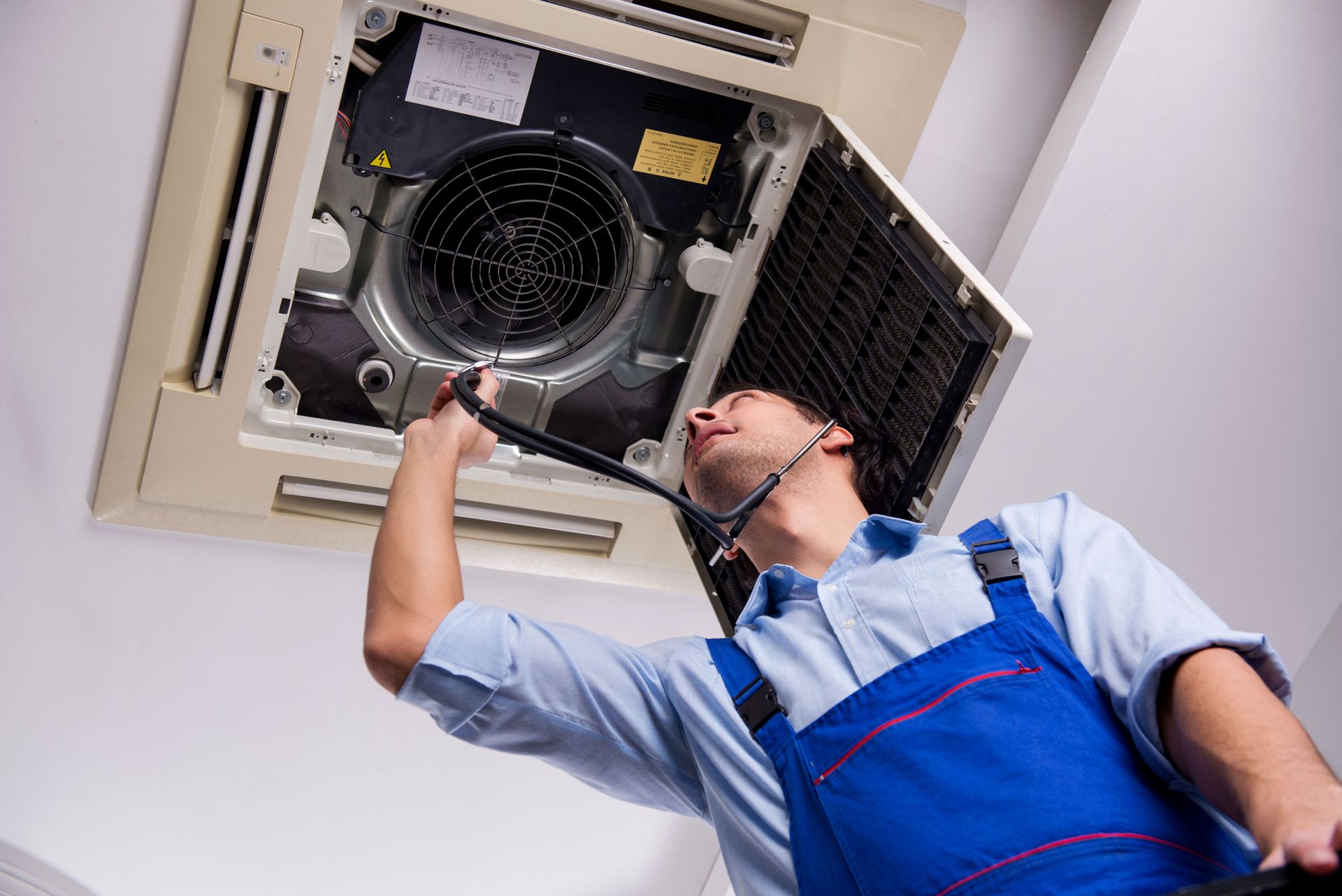
Professional allergen management begins with a detailed assessment of the home environment. Specialists use advanced diagnostic tools to measure particulate levels, evaluate air flow, and identify hidden allergen sources that may be overlooked during routine cleaning. Mold behind walls, dust accumulation in ductwork, or inadequate filtration systems are common issues discovered through these evaluations. Identifying these sources enables the creation of tailored interventions that directly address the root causes. These assessments not only reveal current concerns but also highlight potential risk factors for future allergen buildup. With the expertise provided through air quality services, homeowners gain clearer insight into their indoor environment and can make informed decisions about long-term air quality solutions.
Once the assessment is complete, professionals implement targeted solutions designed to eliminate or significantly reduce allergen presence. These may include upgrading to high-efficiency air filters, sealing leaky ductwork, installing air purifiers, or improving ventilation to prevent stagnant air. In cases where mold or moisture issues are detected, remediation specialists address the underlying humidity problems to prevent recurrence. Regular follow-up inspections ensure that these improvements continue to perform effectively over time. By combining precise diagnostics with strategic interventions, comprehensive allergen management helps create a healthier, more comfortable indoor environment for occupants.
Customized Allergen Reduction and Long-Term Monitoring
Customized solutions are essential because every home has unique structural, environmental, and lifestyle factors that influence air quality. Based on initial assessments, professionals develop targeted plans that may include HEPA filtration, mold remediation, humidity control, duct cleaning, and adjustments to household habits. These plans also outline maintenance schedules and measurable goals for improvement. Many services integrate ongoing monitoring using sensors and periodic evaluations, ensuring air quality remains stable and any emerging issues are addressed promptly. This blend of expert knowledge, advanced technology, and homeowner participation allows air quality services to produce lasting improvements while adapting to changing home conditions over time.
Professional air quality services play an essential role in reducing allergens, improving respiratory health, and maintaining a cleaner, safer home environment. Through expert assessments, customized strategies, and advanced technologies, homeowners gain effective solutions that protect their families year-round. For reliable support and healthier indoor air, contact All Seasons Heating & Cooling today to get started.