February 23, 2026
Understanding the link between furnace maintenance and indoor air quality can be crucial for individuals suffering from allergies and asthma. This article explores how proper furnace repair can significantly improve air quality within homes, providing relief to those who are sensitive to allergens and airborne irritants. The importance of maintaining a well-functioning furnace cannot be overstated, as it is intrinsically linked to the health of individuals residing in the home. With numerous sources of indoor air pollutants, from dust to mold, tackling these issues through efficient furnace repair and maintenance is a priority. Let's delve into how routine upkeep of your furnace can make substantial improvements to your home environment.
The Importance of Furnace Maintenance
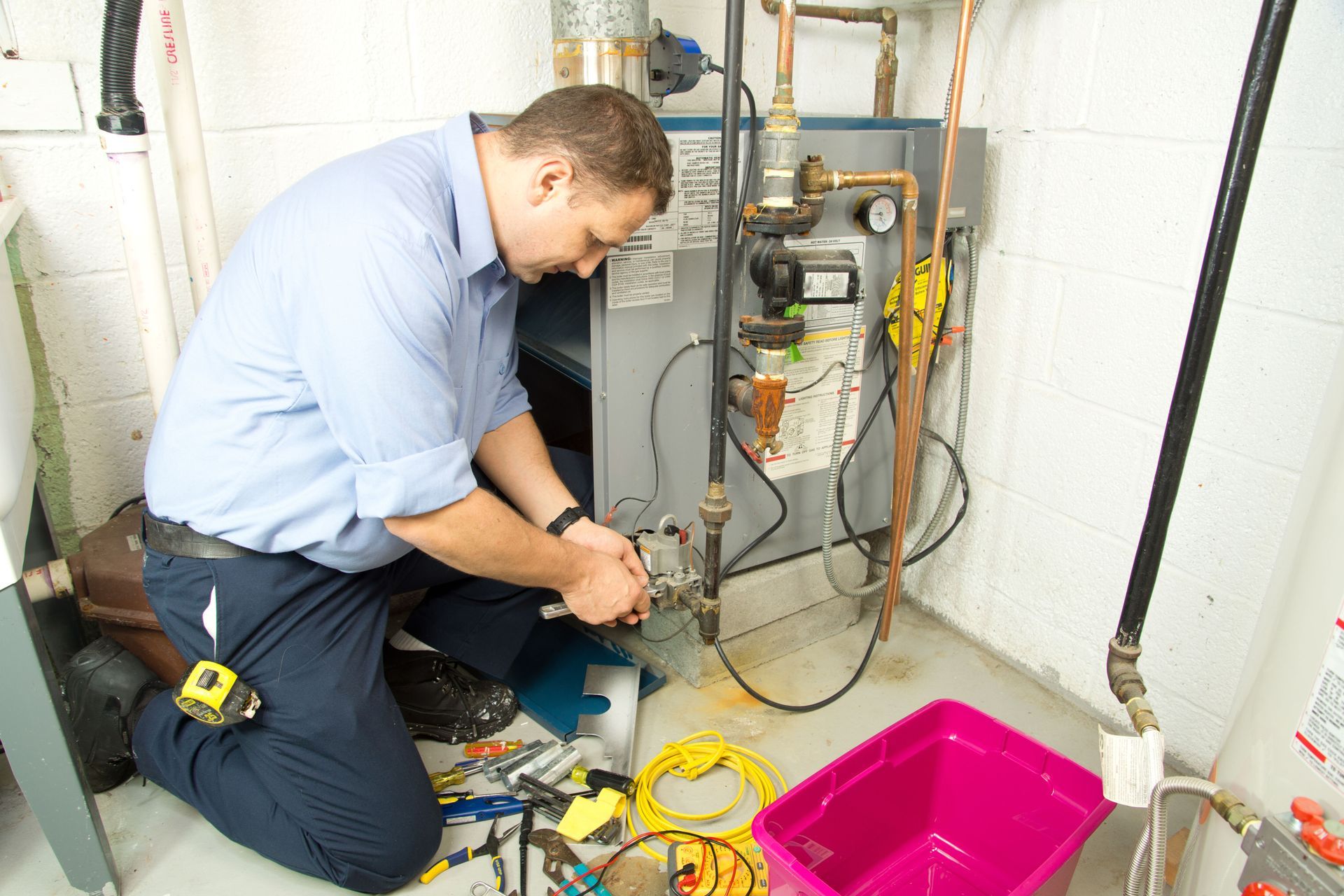
One of the most important steps in maintaining a furnace is scheduling regular check-ups. These routine inspections allow for early detection of potential problems that could lead to decreased air quality. According to This Old House, most furnaces last 20-30 years, but you should consider replacement after 15 years if experiencing frequent repairs, unusual noises, uneven heating, rising energy bills, or visible signs of rust and corrosion around the unit. Addressing these issues promptly prevents the escalation of furnace-related problems that introduce pollutants into the home. Professional maintenance ensures that the systems are functioning efficiently and reduces the risk of airborne irritants. Homeowners who prioritize regular check-ups often enjoy cleaner air and a more comfortable living environment.
Dust and debris can significantly impede the efficiency of a furnace system. When dust accumulates, it obstructs airflow, forcing the system to work harder and releasing allergens into the air. This leads to inefficient heating and diminished indoor air quality, exacerbating the conditions for those with allergies or asthma. Regular cleaning and maintenance can prevent debris build-up, ensuring the system operates smoothly and cleans the air more effectively. Through diligent cleaning practices, you not only enhance furnace efficiency but also contribute to a healthier home environment.
High-quality air filters are essential components of any furnace system, playing a critical role in trapping dust, pollen, and other airborne particles. Filters constructed with high-efficiency particulate air (HEPA) technology are particularly effective against tiny pollutants. Replacing or cleaning these filters regularly maximizes their performance, providing consistent improvements to indoor air quality. Well-maintained air filters prevent allergens from circulating throughout the home, offering a controlled environment for inhabitants. Investing in superior air filter systems offers immediate benefits, notably reducing respiratory discomfort among sensitive individuals.
Symptoms of Poor Indoor Air Quality
Symptomatic signs of poor indoor air quality often manifest as common allergy and asthma symptoms, such as sneezing, coughing, and difficulty breathing. When these symptoms persist, it may indicate that your home air quality has been compromised and needs immediate attention. Poor air quality worsens these conditions by introducing irritants like pollen, dust, and smoke, which can trigger respiratory distress. Observing family members frequently complaining of these symptoms should prompt a check on your furnace's maintenance status. Ensuring your furnace is in top condition can significantly reduce such health complaints, promoting better overall wellness in your home.
Strange or unusual odors in your home can be a clear indicator of furnace-related problems affecting air quality. Persistent musty, burning, or chemical smells may signal that the furnace is experiencing malfunctions or has accumulated dust or mold. Addressing these issues promptly can prevent further degradation of air quality and ensure a more comfortable living environment. Keeping an operationally sound furnace minimizes the risk associated with chemical or mold-induced respiratory problems. It's essential to respond swiftly to these signs to maintain a safe and pleasant atmosphere within your home.
Observing dust accumulation and the presence of mold around your heating vents can indicate poor maintenance and potential air quality problems. These visible signs underscore the importance of keeping vents clear and free of debris to ensure clean air distribution. Regular cleaning and inspection of vents can prevent allergens and mold spores from spreading within the residence. Maintaining a dust-free environment minimizes health risks, especially for individuals with allergies and asthma. Proactive measures in keeping vents clean contribute significantly to enhancing the overall air quality within your home.
Benefits of Timely Furnace Repairs
Addressing furnace-related issues promptly results in immediate air quality improvements, offering relief to allergy and asthma sufferers. Timely repairs prevent the release of pollutants, ensuring that your indoor environment remains free from irritants. By understanding the importance of swift action in addressing furnace malfunctions, homeowners can maintain a healthier environment. A well-maintained furnace system guarantees a steady supply of clean air, significantly improving the quality of life. Regular upkeep minimizes risks associated with poor air quality, offering a comfortable and safe living atmosphere.
Regular furnace repairs can provide significant long-term health benefits, particularly for individuals with allergies and asthma. Keeping systems well-maintained leads to an environment with minimal airborne irritants, reducing the likelihood of long-term respiratory complications. Health improvements are a direct result of clean indoor air, free of allergens and harmful particles often associated with poorly maintained furnace systems. Continual care and upkeep promote healthier living conditions, decreasing health-related concerns and contributing to overall wellness. By minimizing indoor pollutants, households are able to experience enhanced air quality and better health outcomes.
Furnace systems operating at high efficiency contribute to both financial savings and reduced environmental impact. When furnaces are well-maintained, they consume less energy, which in turn decreases carbon emissions. The energy savings can translate to lower utility bills, offering homeowners a financial reprieve while promoting responsible energy usage. Prioritizing furnace efficiency supports both ecological integrity and economic benefits, aligning with global efforts towards sustainability.
Technological Advances in Furnace Systems
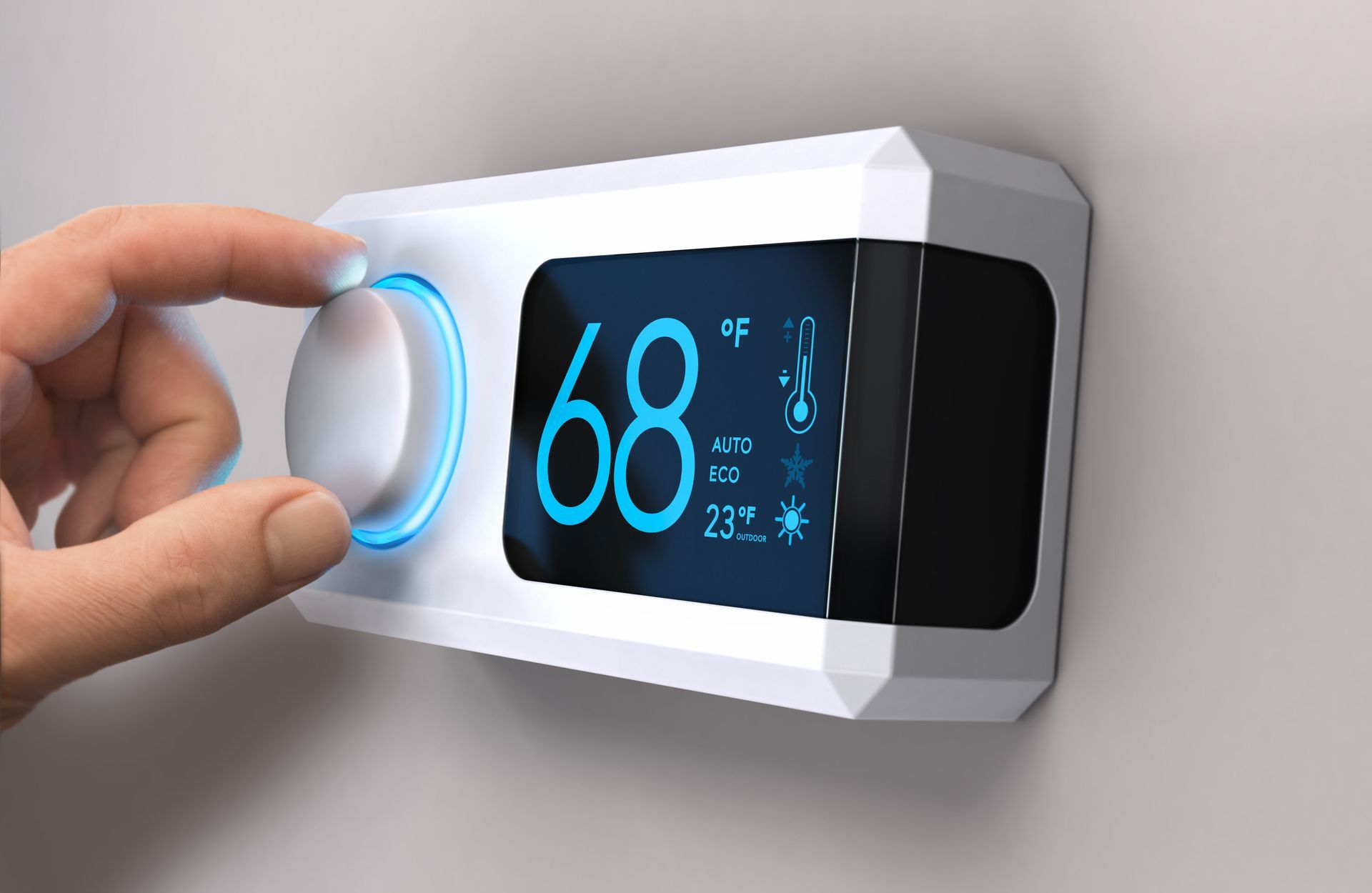
The implementation of smart thermostats and monitoring systems has revolutionized how homeowners manage furnace efficiency and indoor air quality. These devices offer remote accessibility, allowing users to control and monitor temperature settings conveniently. As a result, there is a significant improvement in energy consumption as systems adapt to optimize performance based on real-time data. Smart technology integration provides users with insights into furnace behavior, facilitating timely maintenance and immediate issue resolution. Enhanced monitoring ensures that air circulation is consistent, contributing to better air purification throughout the home.
New advancements in air filtering systems have drastically improved indoor air purity, particularly in settings that adopt cutting-edge technologies. HEPA filters and other advanced systems have gained prominence for their effectiveness in eliminating microscopic pollutants. These filtration solutions ensure that allergens and small particles are captured before they can create any air quality issues. Investing in advanced filtering systems creates a healthier air environment and supports the well-being of allergy and asthma sufferers. Continuous innovation in the realm of air filtration reflects the growing importance of maintaining optimal indoor air conditions.
Modern developments in eco-friendly and energy-efficient furnaces emphasize the importance of sustainable living practices. These systems are designed to minimize energy consumption without compromising on performance, aligning with environmental goals. By utilizing resources more efficiently, these furnaces reduce greenhouse gas emissions, contributing to a healthier planet. Embracing eco-friendly technologies not only benefits environmental sustainability but also improves in-home air quality extensively. This advancement aligns with the broader industry trend of moving towards sustainable heating solutions, evidenced by the rise in demand for such products.
Maintaining and repairing furnaces not only ensures optimal performance and efficiency but also significantly improves indoor air quality, particularly benefiting allergy and asthma sufferers. By understanding symptoms, implementing timely repairs, and utilizing new technologies, homeowners can foster a healthier living environment. For a
furnace repair service you can count on, contact All Seasons Heating & Cooling today.